The Carter Blog
Carter ARTicles
Native women and reflections on my Gentling Fellowship
Mar 11, 2026
My relationship with the Carter began several years ago, when I reached out to John Rohrbach, the former photography curator, to share my photographic work. At the time, I was making portraits of artists and friends in Texas—people from my community—drawing formally and conceptually from the Carter’s Richard Avedon collection. During our correspondence, I described a project I hoped to pursue: photographing Native women involved in the Texas Tribal Buffalo Project. I was interested in photographing Native women in the Texas landscape—not as symbols, but as present, contemporary subjects embedded in lived environments. John encouraged me to continue the conversation with the Carter’s new curator, which ultimately led to my recent Gentling Fellowship.
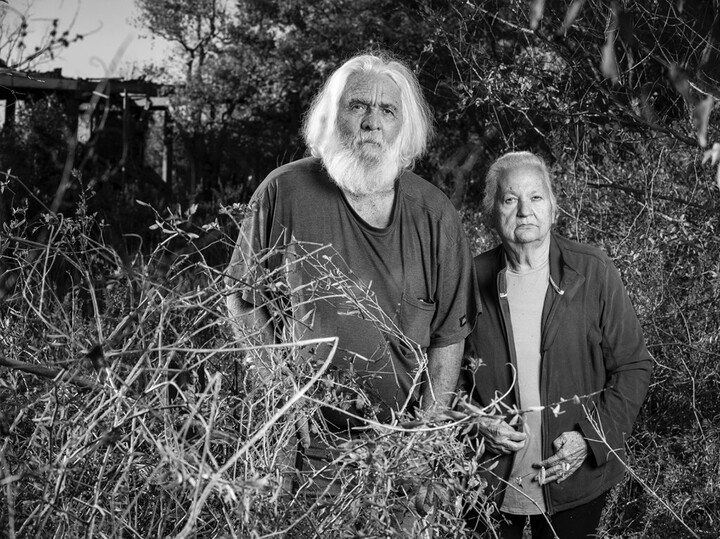
Cressandra Thibodeaux, part of the series Native American Climate Refugees, 2026, © Cressandra Thibodeaux
My work as a photographer is rooted in visual storytelling, in questioning who has historically been allowed to be seen, and how. As an enrolled member of the Sault Ste. Marie Tribe of Chippewa Indians and a Native woman raised in Texas, I am especially attentive to how Indigenous women have been framed: posed, flattened, romanticized, and rendered passive. Photography has played a central role in this process.
During this fellowship, I was drawn to the photographs of John K. Hillers and Edward Curtis to understand how early photographic practices shaped enduring visual narratives about Indigenous people, particularly women.
What became immediately clear is that Hillers was hired by the Bureau of American Ethnology. He was paid a salary—$1,800 a year—to photograph Native people as part of a federal project of documentation. His images reflect this mandate: Natives rendered as specimens, arranged for classification, removed from agency or interiority.
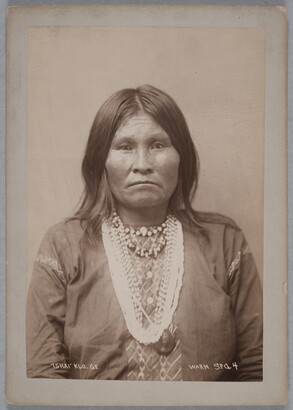
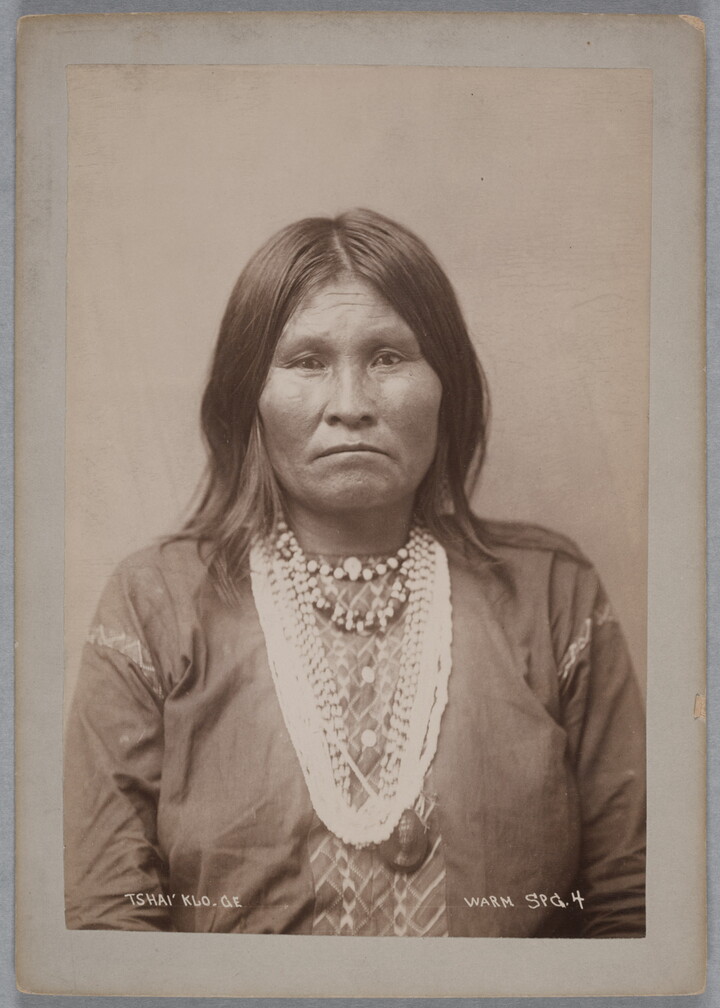
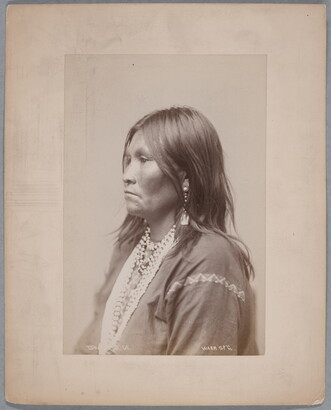
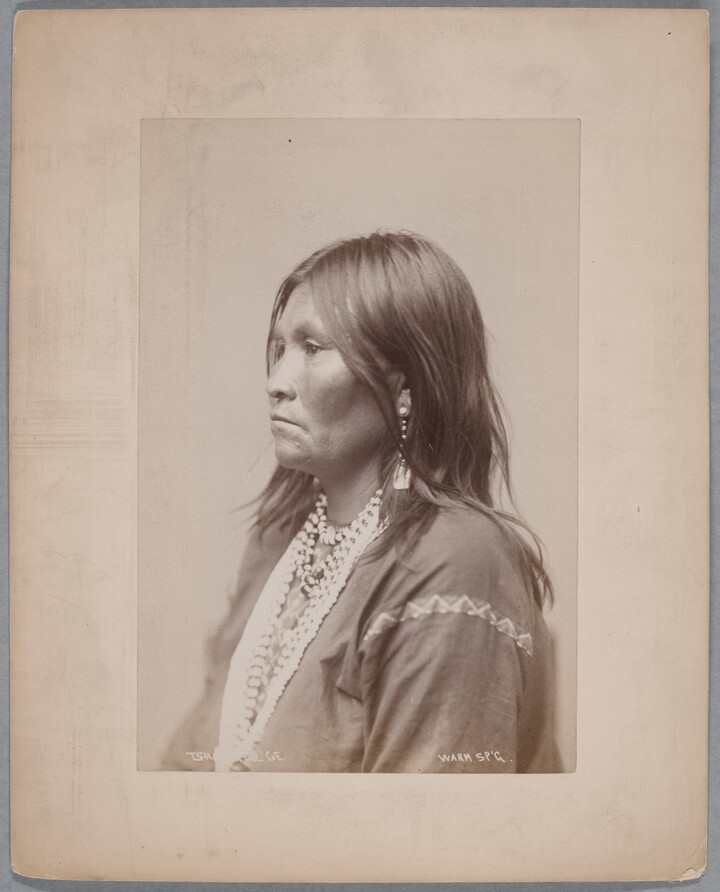


Curtis, by contrast, romanticized Native people and landscape, and I came to recognize the extraordinary mastery of his printing and portraiture. The materiality of Curtis’s photographs—the tonal control and physical presence of the prints—operates at the level of true art. I’ve gained a deep appreciation for Curtis’s craft, and with the sobering knowledge that he ultimately went bankrupt pursuing his vision.
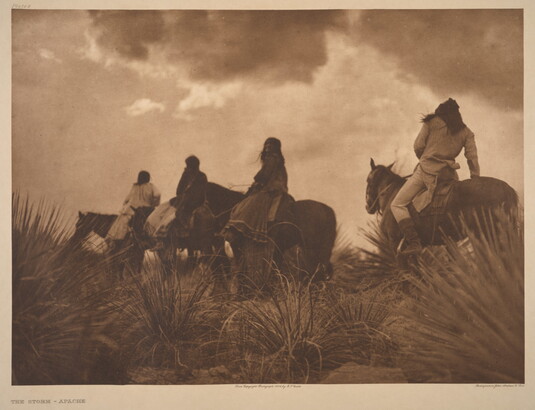
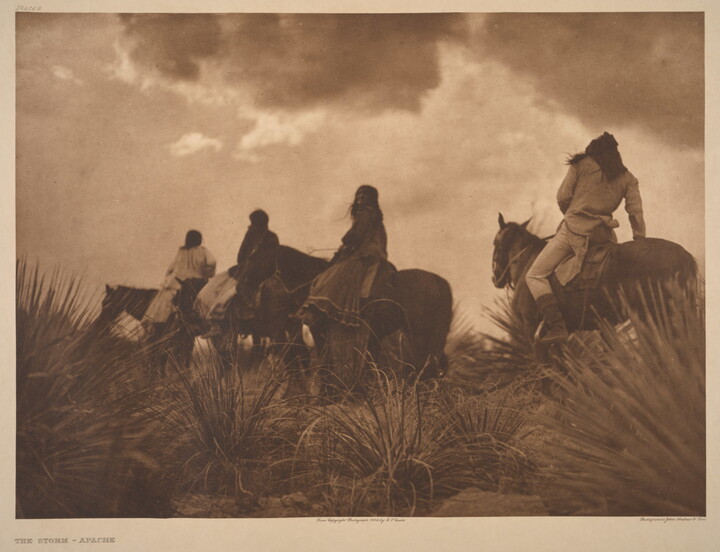
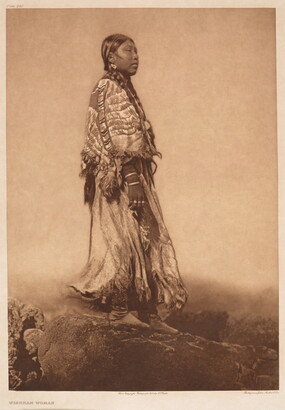
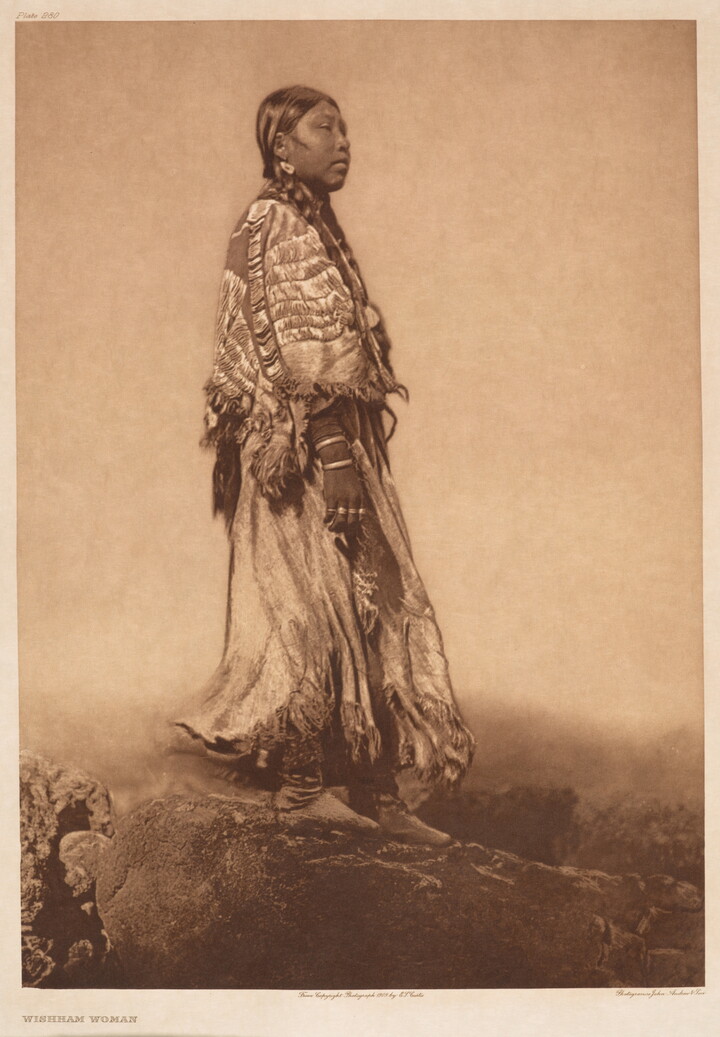
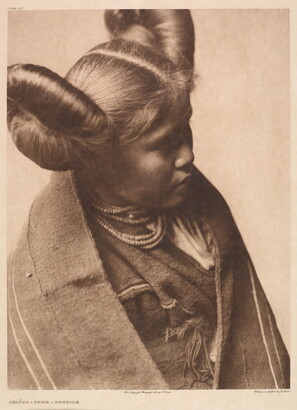
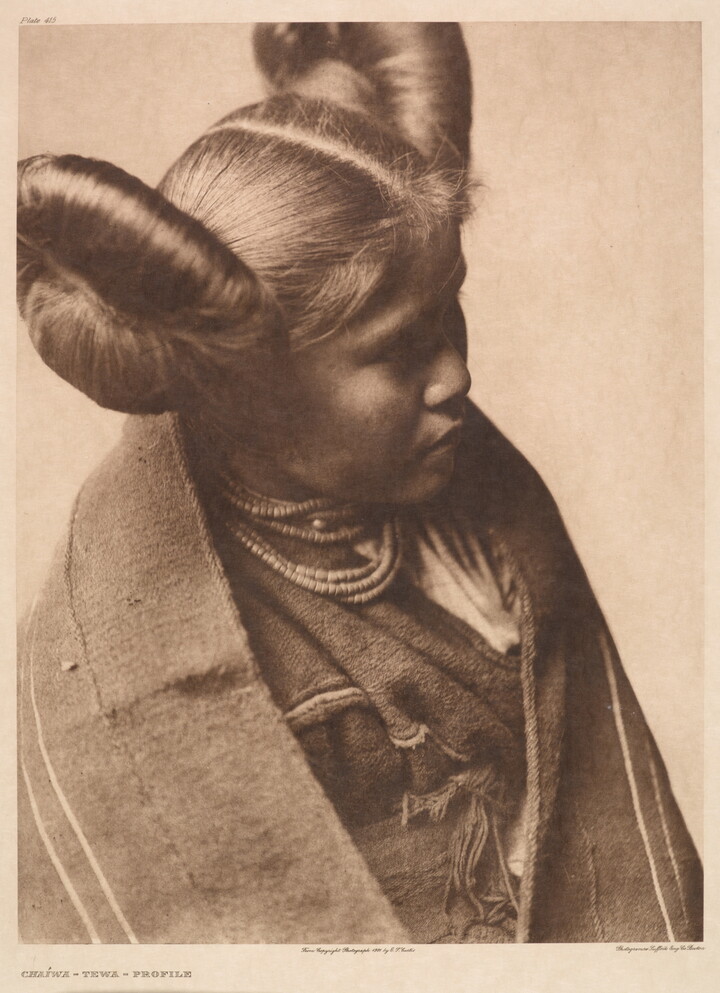
During my fellowship, I discovered the work of Laura Gilpin. Her photographs struck me profoundly, particularly the intimacy she achieved with her subjects. What I admire most is her access to interior space: photographs made inside the home, where vulnerability, trust, and relationship are palpable.


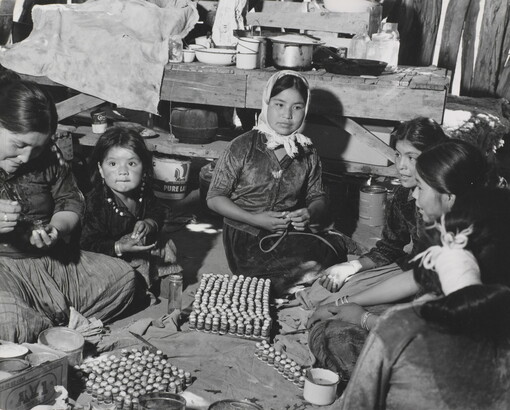
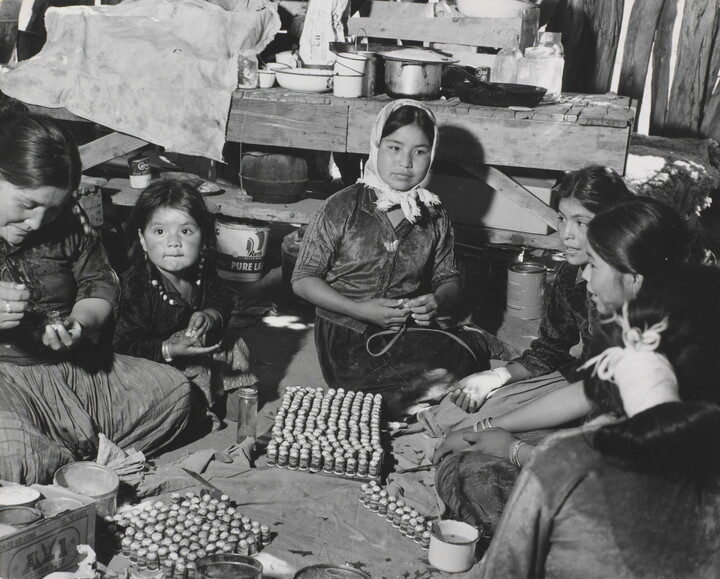
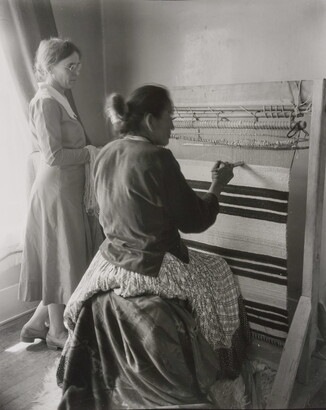
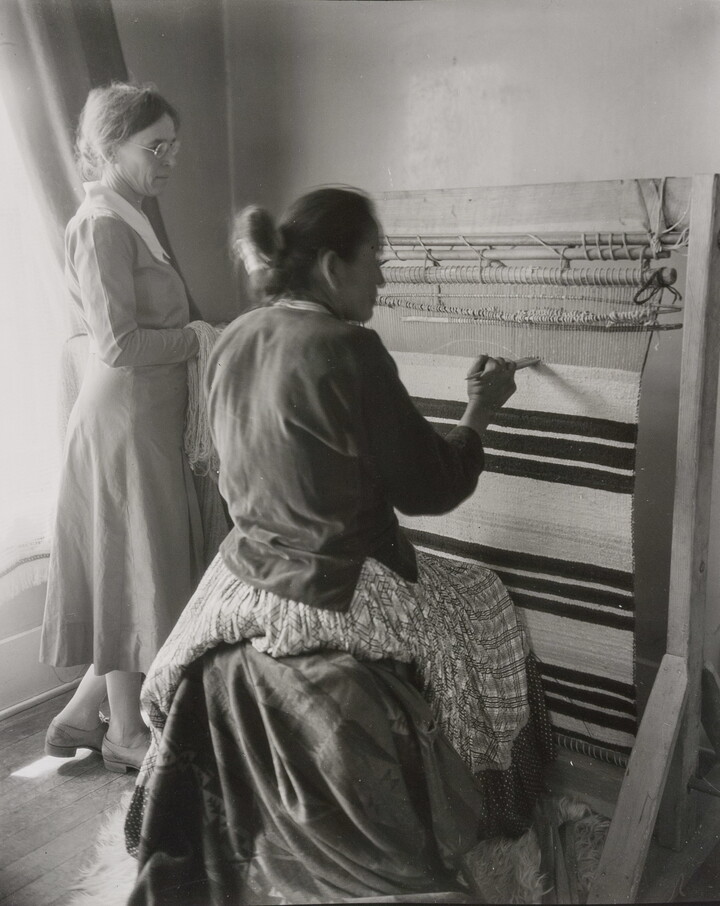
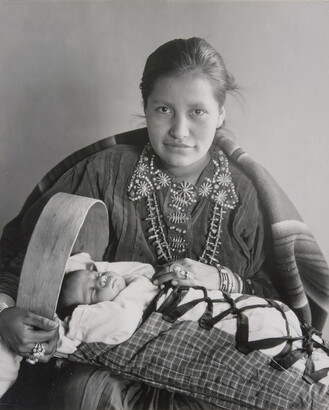
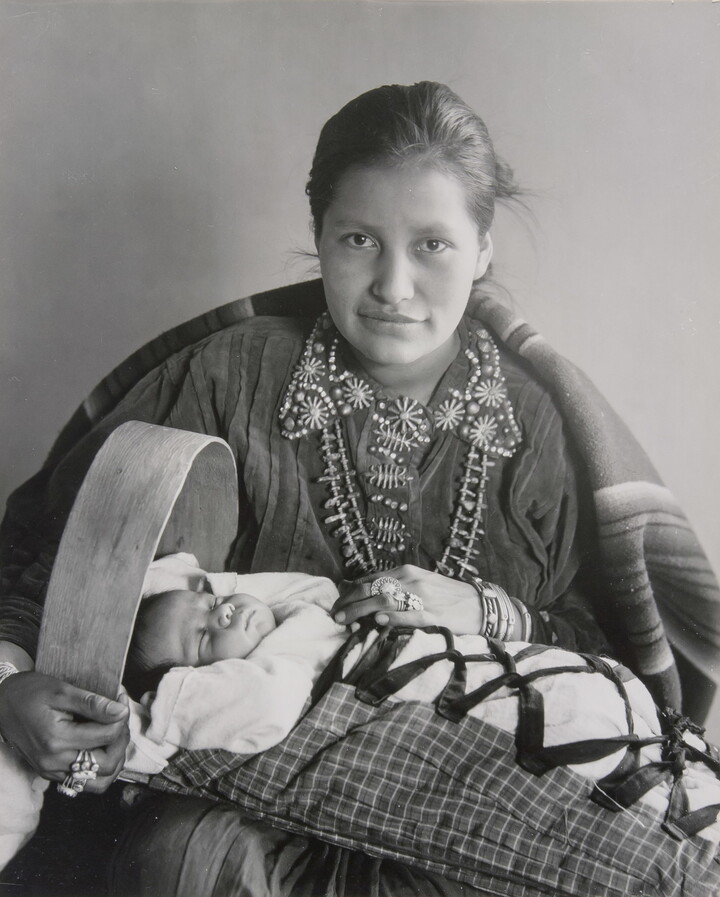
Looking at my own recent series documenting Native communities in coastal Louisiana—the first climate refugees in the United States—I now wish I had captured that same interior intimacy. Gilpin’s work has reshaped how I understand what is possible.
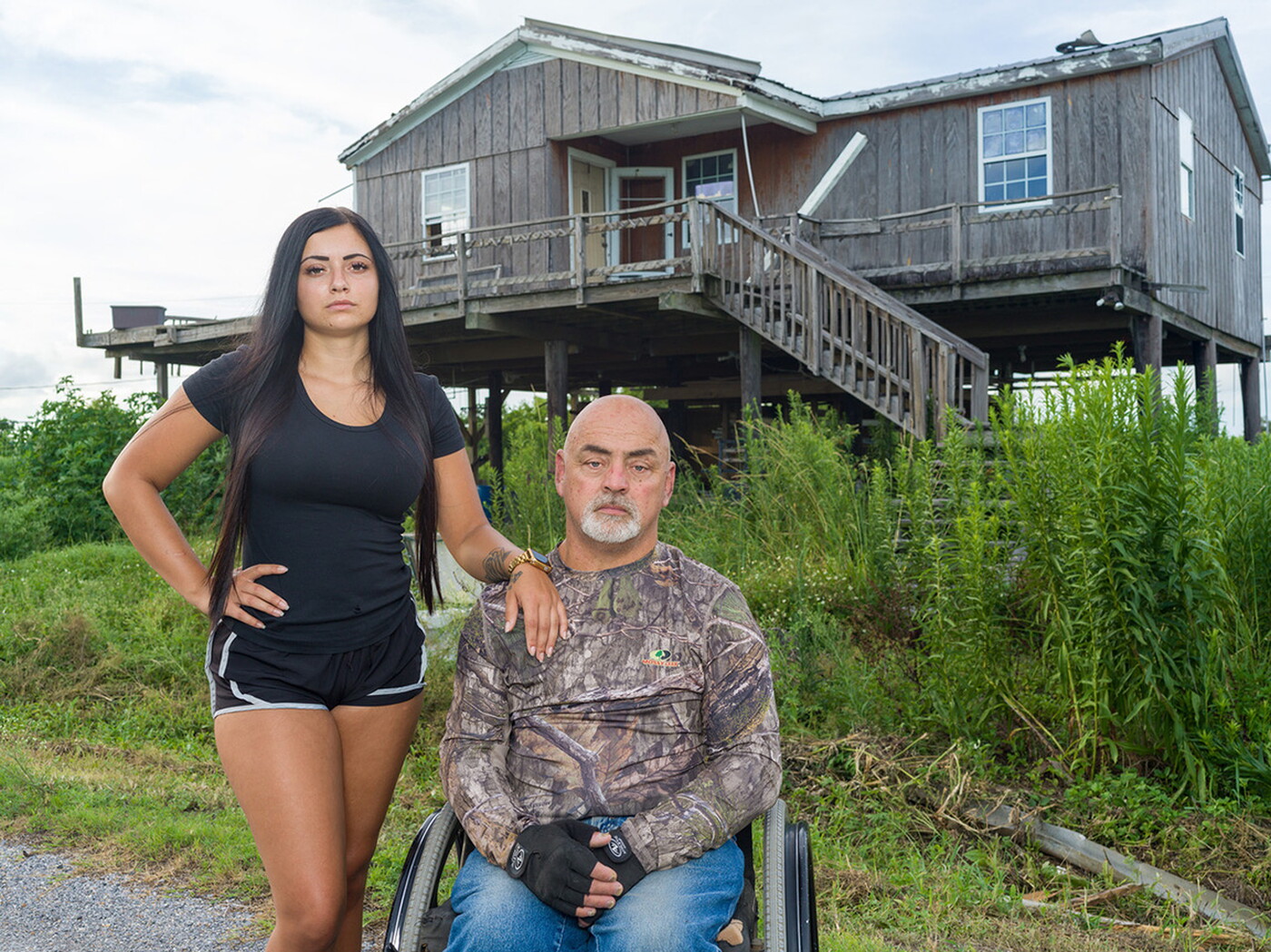
Cressandra Thibodeaux, part of the series Native American Climate Refugees, 2026, © Cressandra Thibodeaux
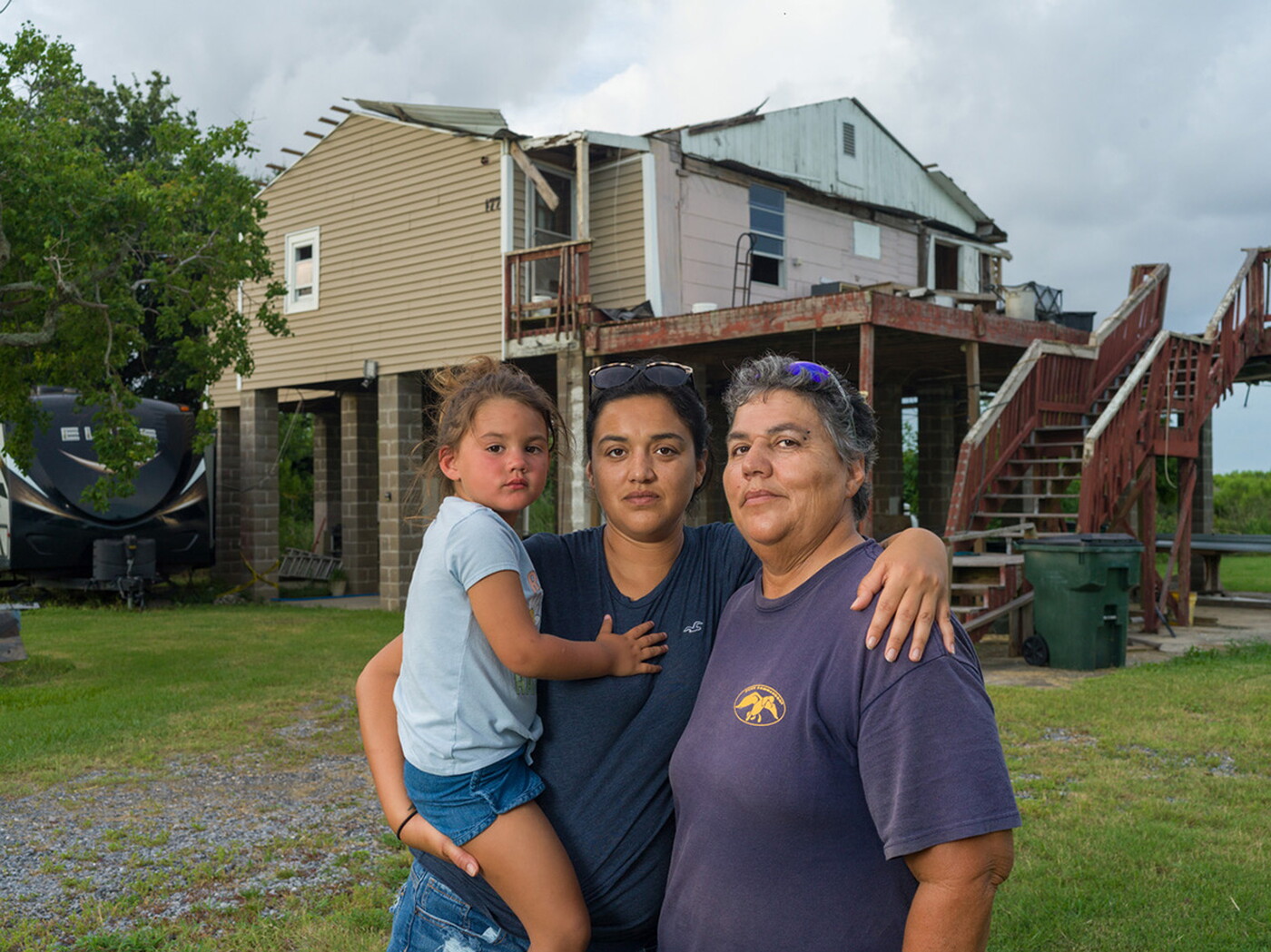
Cressandra Thibodeaux, part of the series Native American Climate Refugees, 2026, © Cressandra Thibodeaux
What I gained from my Gentling Fellowship is not only knowledge, but a renewed responsibility to photograph differently. To move closer, like Laura Gilpin. To enter interior spaces with care. To make images that honor relationships rather than distance. In doing so, I will contribute to a visual history in which Native women are not frozen in time or bound to landscape, but recognized as living, complex, and self-determined.