The Carter Blog
Carter ARTicles
The goddess Diana and the human comedy
Jun 17, 2026
Art can manifest different emotions and thoughts depending on the viewer. We can become awestruck from a landscape painting of the sunrise overlooking the Yosemite, feel excitement from seeing a group of men dash off on horseback (thinking that one of the horses is coming straight for you!), and become heartbroken at the sight of a man finally free from his chains. However, from time to time, we can also find ourselves laughing in the middle of a quiet museum.
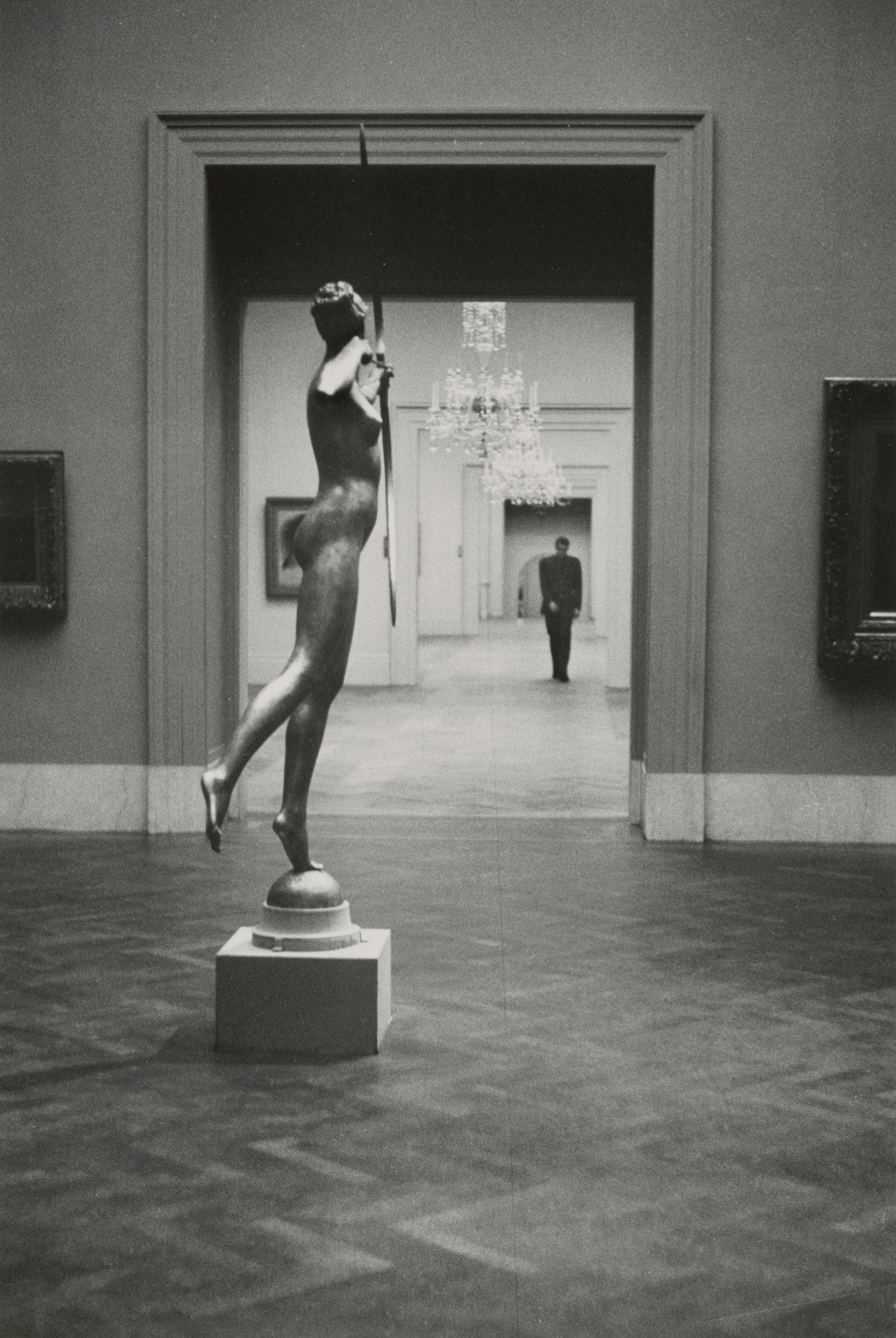
As I was scrolling through the Carter’s online collection for a project, one particular photograph stood out to me for two reasons: Diana is one of my favorite sculptures in the Museum and seeing Diana appear to target an unsuspecting figure made me chuckle.

A little backstory: in Roman mythology Diana is a goddess and patroness of the hunt, the moon, wild animals, and nature. She is commonly portrayed with a bow and arrow, is a fierce protector of young women, and will enact vengeance against anyone who crosses boundaries.
Elliot Erwitt, the photographer who captured this image, was a French American artist who became known for using humor to conceal hidden or deeper meanings in scenes that portrayed mundane moments of daily life. He once said, “you just have to care about what’s around you and have a concern with humanity and the human comedy.” And humor was (and still is) something that helps brighten a dark time. For example, a few years before Erwitt took this photograph in 1949, photography and other forms of art were used as tools to show the harsh realities of war and struggle. Art was politicized as propaganda and, especially prior to and during World War II, there were artists who were labeled “degenerates.”

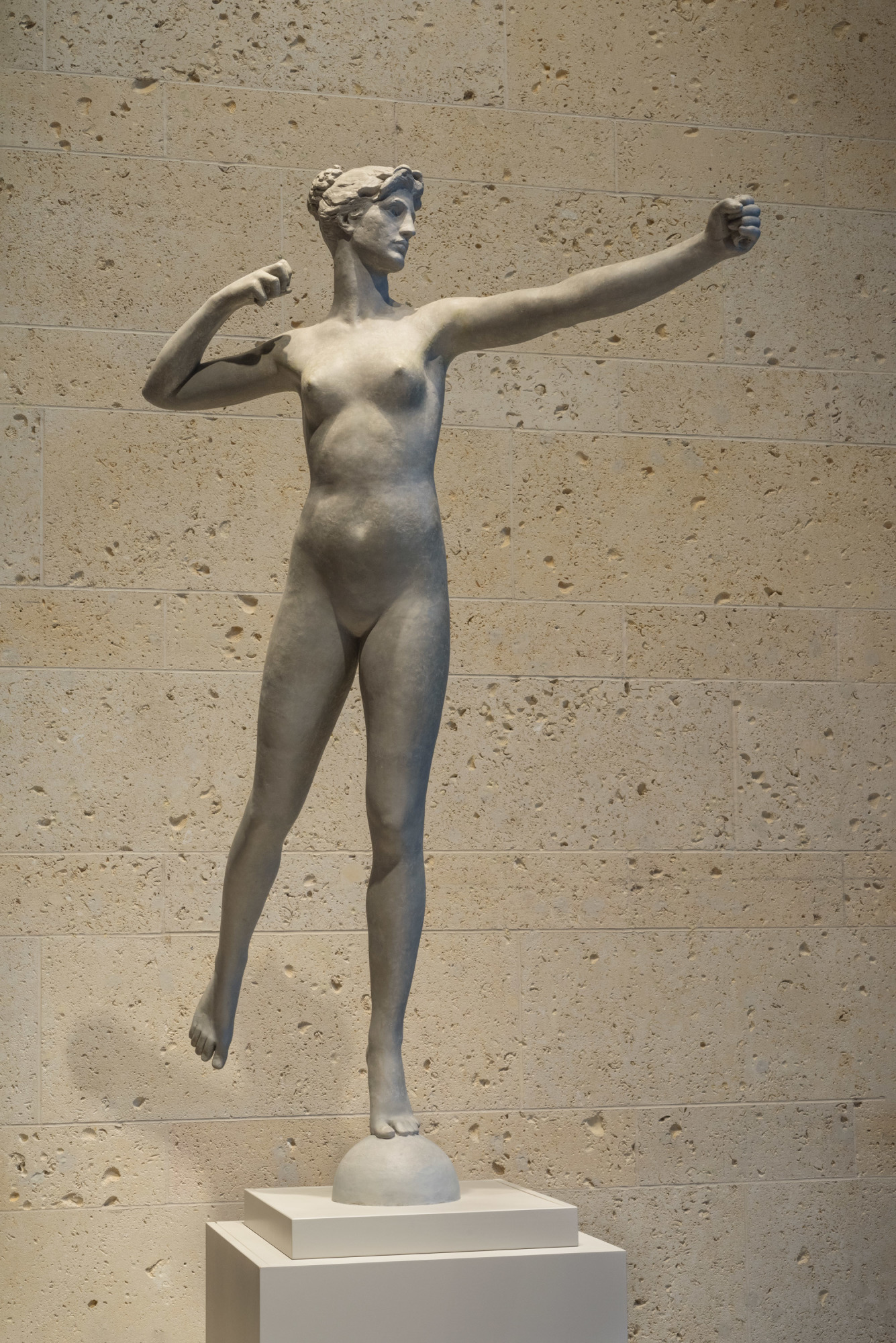
When Erwitt created this image, Post-World War II Abstract Expressionism was emerging as the latest art movement. Artists like Jackson Pollock, Mark Rothko, and Helen Frankenthaler were creating works centered around themes that reflected the anxiety and trauma from WWII. Classical art was less popular as it represented traditional European values and idealizations, like the Diana statue. However, Erwitt’s image captures a different version of the Roman statue, which shows Diana in an almost playful or vengeful manner. This image is taken from a side perspective of the statue of Diana. From that angle, it looks like she is about to hit an unaware target with one of her arrows. Through his camera, Erwitt gives a new perspective to this classic statue, showing that anything could be new if we change the location and how we view it.
Other Diana's in the Carter's collection


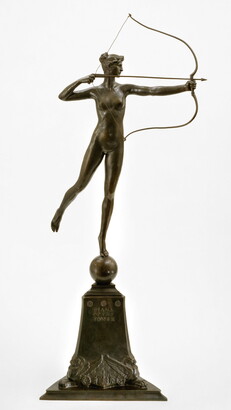

While it was never clearly stated why Erwitt found this scene humorous, as viewers, we can draw our own ideas. Was he also familiar with the tale of the goddess Diana and found it comical that Diana pointed her arrow directly at someone in the galleries? Is this an act of vengeance or a playful warning? Or was this simply a “right moment or timing” sort of thing?
What we do know is that Erwitt gave his audience something to smile and laugh about at a time when the world was still reeling from a traumatic event. Yes, art can make you think about the bigger picture, but it can also make you appreciate the little things and remind you that life can also be playful. We should laugh when we have the chance, even in a museum.