The Carter Blog
Carter ARTicles
Communication access: Let’s talk about communication boards
Apr 08, 2026
Imagine taking a trip to the Carter with your family. You’re thrilled to be in a new place, looking at art, and having fun in the galleries together. You might feel inspired by a big, blue painting by Norman Lewis. Perhaps you’re startled by a prowling bronze panther, curious about a black-and-white photograph, or want to read a book in the Library. Maybe you really, really need a snack. How would you communicate all your important thoughts, questions, and needs to your group?
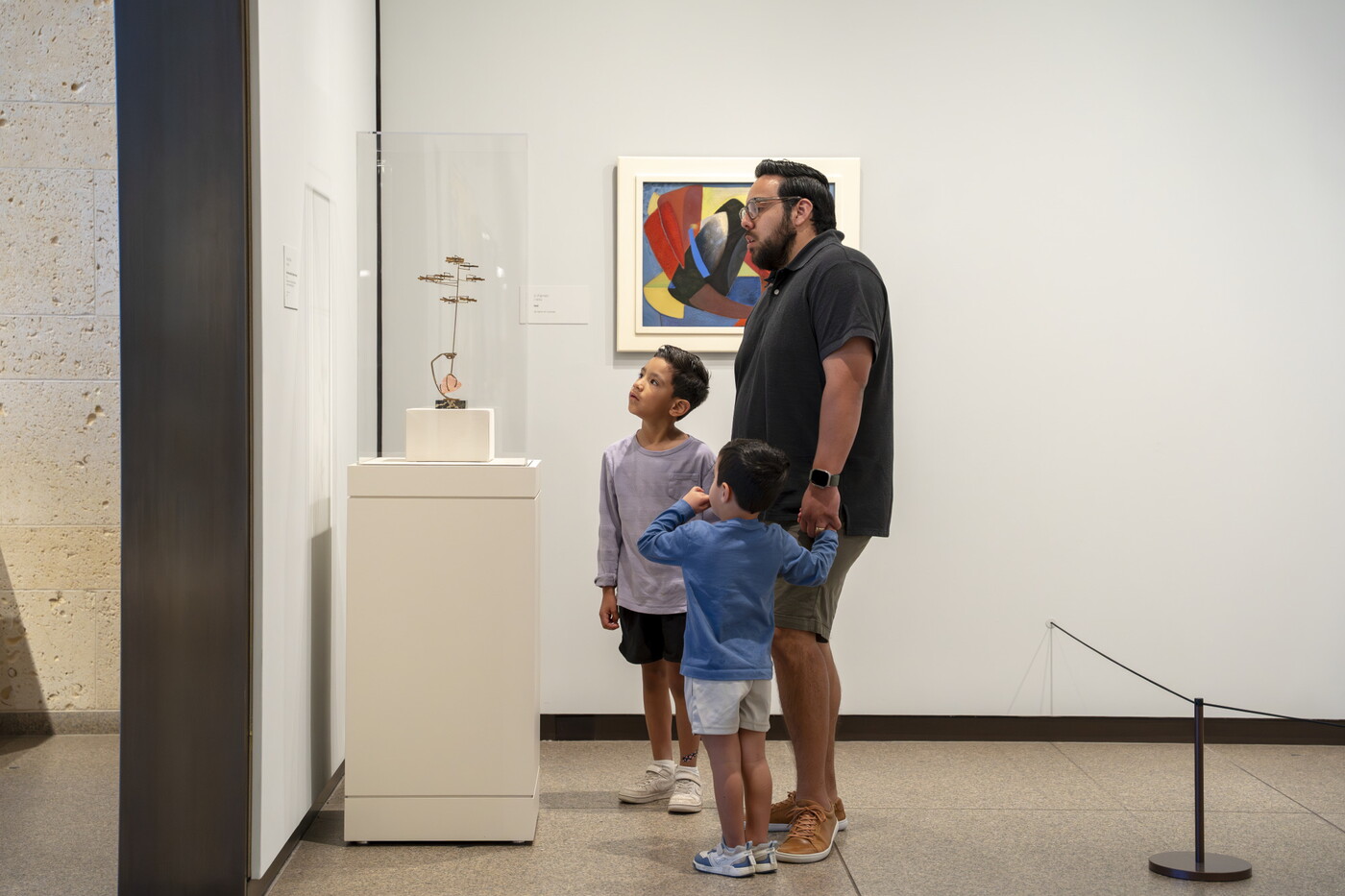
A family explores the collection at the Carter.
Some folks might say their words aloud. Some might use American Sign Language, or write a note, or send a text, or draw a picture. For people who are nonverbal, non-speaking, or minimally verbal, Augmentative and Alternative Communication (AAC) tools like communication boards might be just the ticket! A communication board is a visual aid, full of images and vocabulary words that can assist someone with limited verbal communication skills in communicating choices, expressing themselves, and sharing needs or desires.
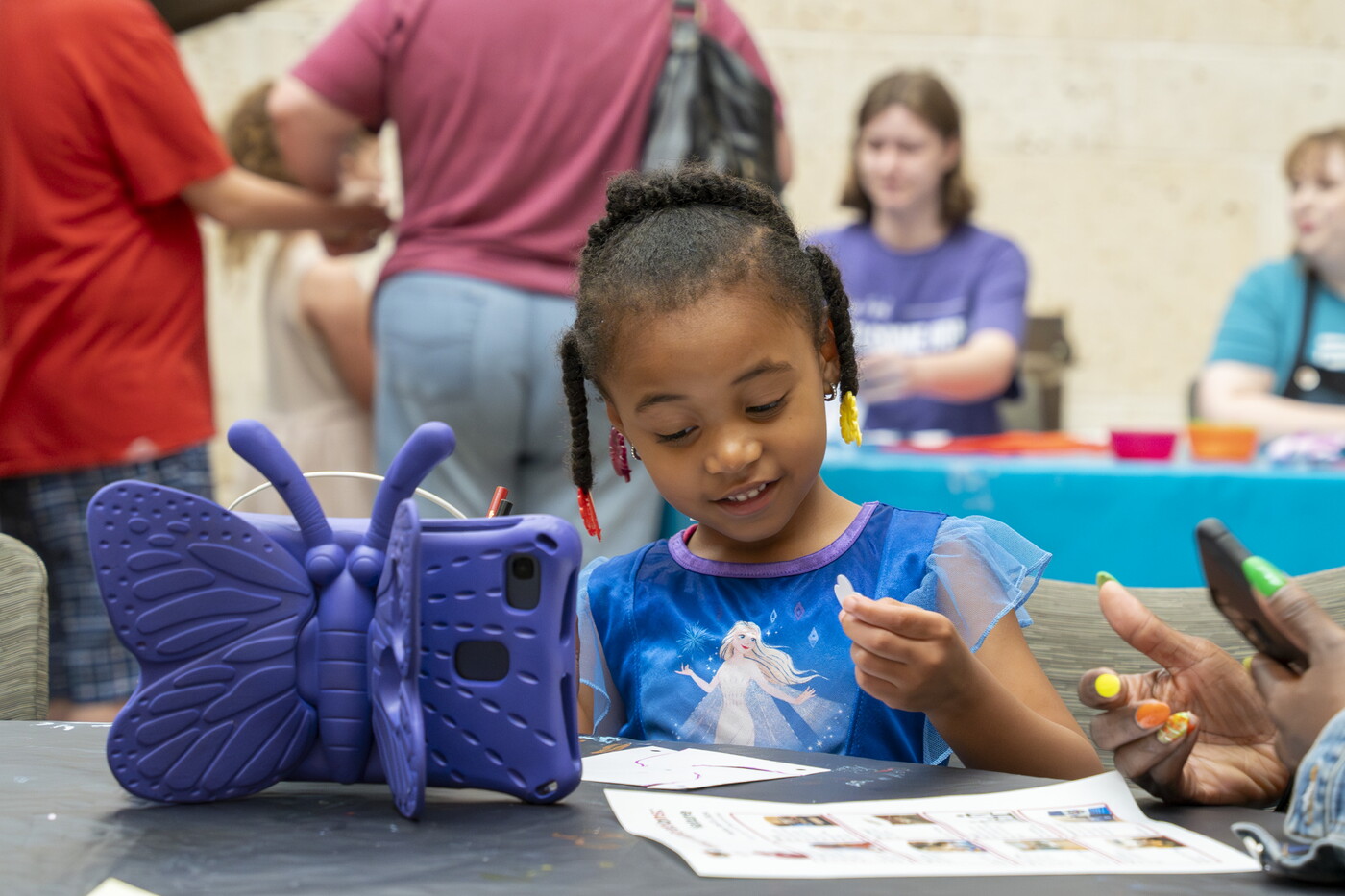
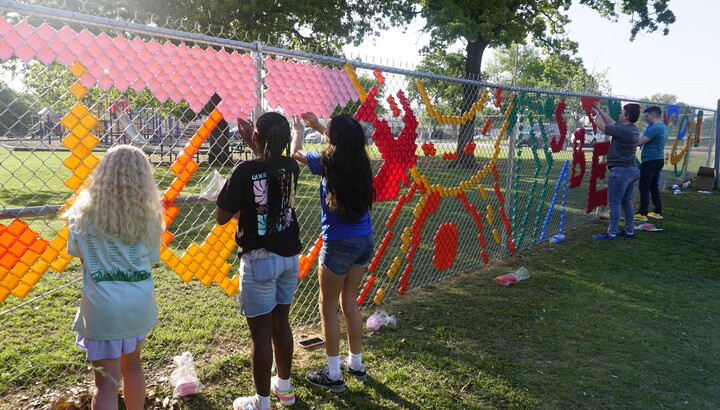
A young artist gets creative during a Sensory Explorations event.
At the Carter over the last few months, we've worked with our friends at Elliott’s Voice, TCU FACES, and UNT EPIC to create our first Carter-themed communication board, full of words and phrases visitors can use while exploring the galleries together. With art-specific nouns, adjectives, verbs, and sentence starters, our visitors will be able to share their experiences and ideas with one another, no matter their preferred form of communication!
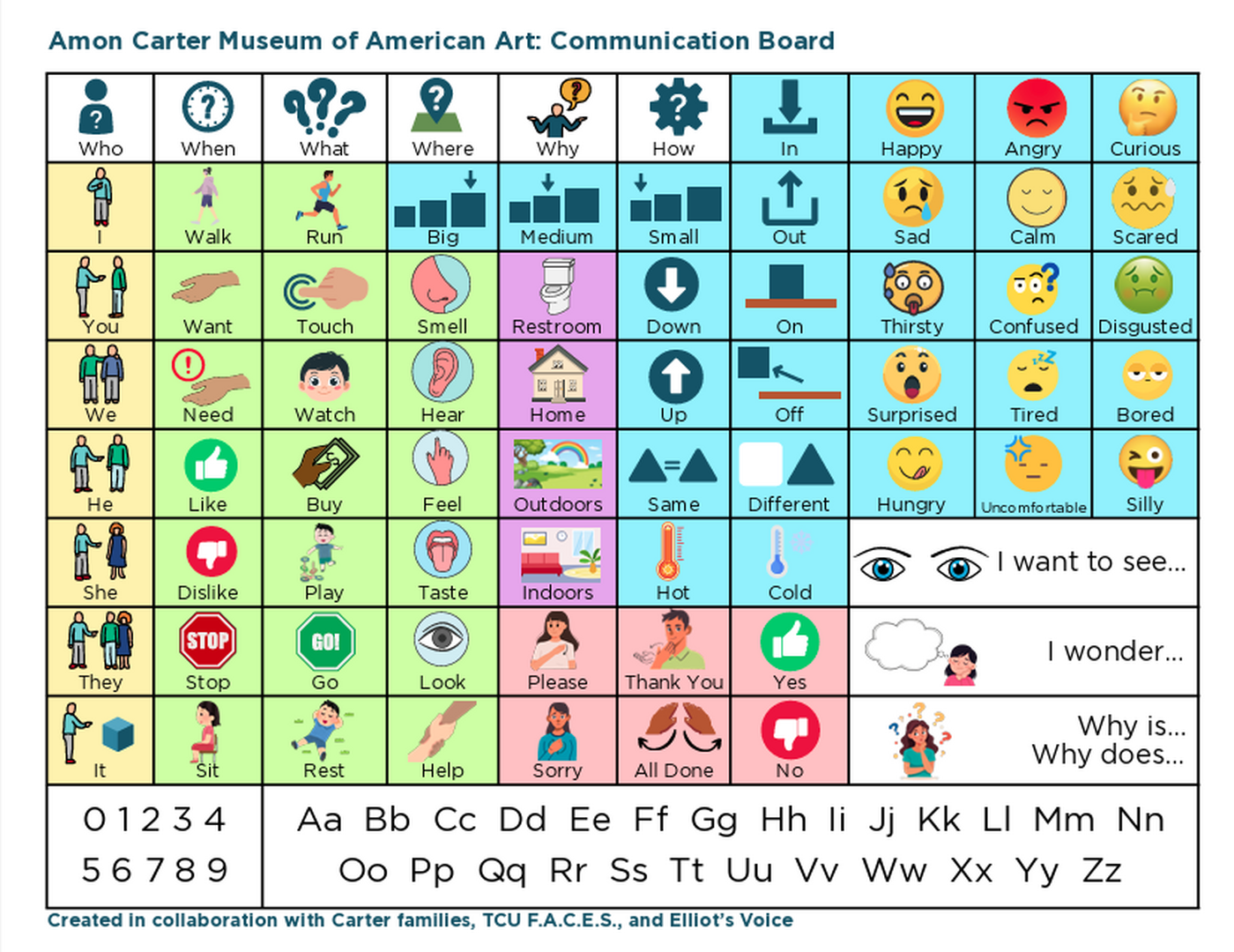
You can download a PDF of our communication board or ask for one at the Information Desk when you arrive.
While this might seem like a simple document to design and implement, we took many steps to ensure that we’d create a valuable, user-friendly, visitor-centered resource. So, what did this collaborative development process look like?
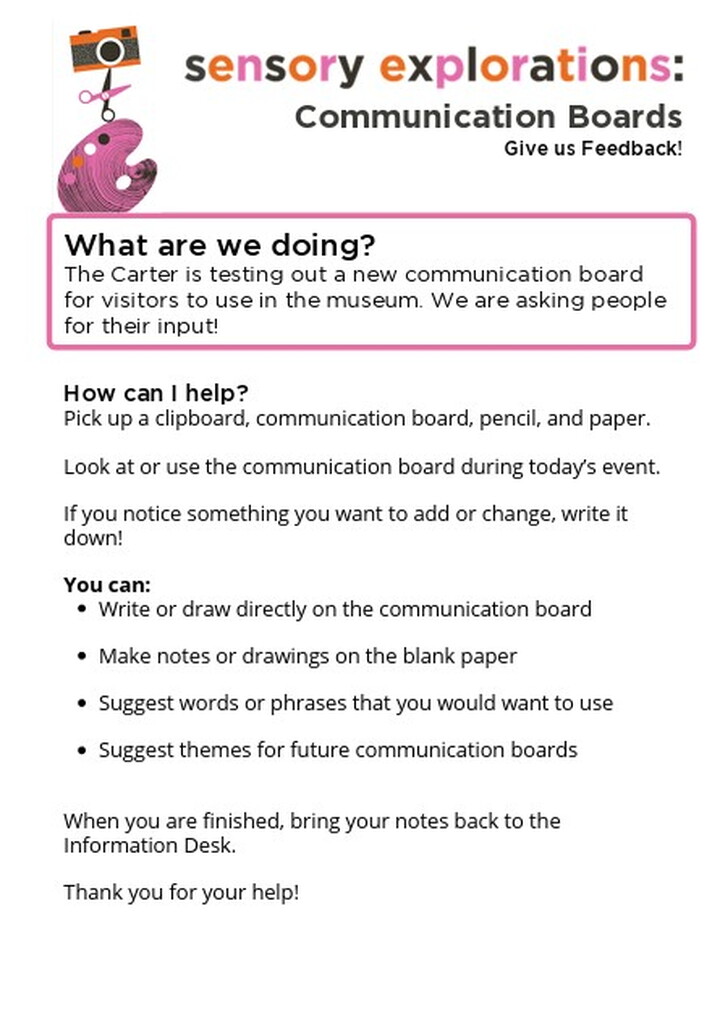
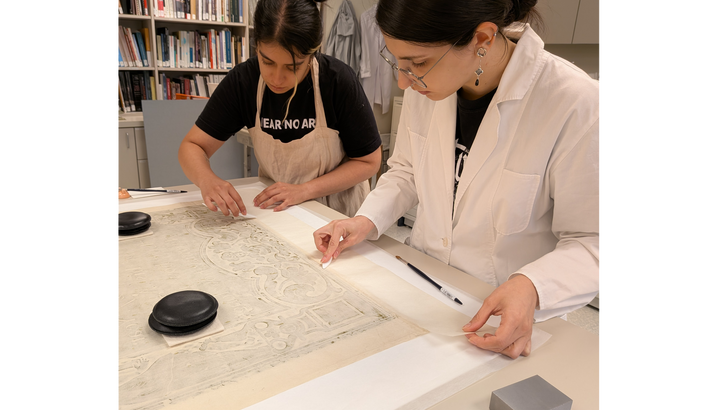
Event participants were invited to share feedback after using communication boards.
- Meet with Elliott’s Voice, a local communication advocacy organization, to learn more about the utility of communication boards in public spaces.
- Send the Education team on a Museum-wide “word walk” to create a massive list of words, phrases, and questions based on the building and collection.
- Work with the Carter’s designers to create a flexible template that we can use to create as many boards as we want.
- Send the working draft to partners and stakeholders for input.
- Ask for user feedback from community members during Sensory Explorations and Meet Up at the Museum events.
- Edit, edit, edit!
- Lead trainings for frontline staff.
- Add a printable PDF to the Accessibility page of our website and create laminated copies for the Information Desk.
- Spread the word!
A visit to the Carter is so much more than just looking at art. It’s giggling over a funny animal in a painting, asking questions, sharing memories and histories with loved ones, and asking a classmate to pass the colored pencils. Grab a communication board for your next Carter adventure and have fun chatting!