Find out where to park during road construction on Camp Bowie Blvd.
Start your weekends early! You’ll never think of museums in the same way again. And best of all, Second Thursdays are always free!
Find out what's currently on view at the Carter and what's coming up.
Browse our online collection from the comfort of your couch. You never know what you might find!
From his fashion photographs to his thoughtful depictions of American life, Parks used the camera as his tool for proclaiming the value of an American community built on freedom and equality.
Celebrating the generous gift of Joan and John Richardson, this exhibition uses these works on paper in conjunction with artworks from the collection to reveal how their contribution enlarges and diversifies the Carter’s holdings in illuminating ways.
Fresh Perspectives brings a new voice to the interpretation of our collection and introduces audiences to the contradictions and convergences between our historic works on paper and the work of a contemporary artist.
Featuring works by some of the state’s most important artists of the 20th century and today, this modest exhibition suggests how intimate, detailed likenesses allowed Texas artists to identify themselves in public and private spheres.
The Polaroid Project surveys the history of the innovative photographic company Polaroid, its intersection with art, science, and technology, and the rich legacy of the technological and artistic experimentation that the company enabled.
This exhibition spans the history of photography, pairing photographs from the Carter’s collection with important metaphors from the same time period that were used to describe the medium’s unique qualities.
Using the confined stage of the subways of London, New York, and Tokyo, Suder’s oversized photographs, an intimate sonnet to urban transit, document how love, friendship, and solitude can be found in even the darkest of places.
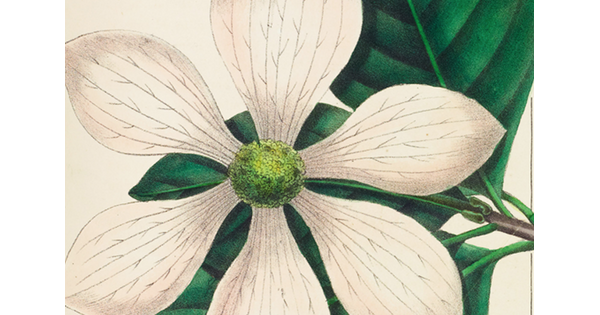
This unique exhibition of spectacular illustrated botanical books from the Carter and the Botanical Research Institute of Texas invites viewers to examine the relationship between art and science in these beautifully crafted collaborative creations.
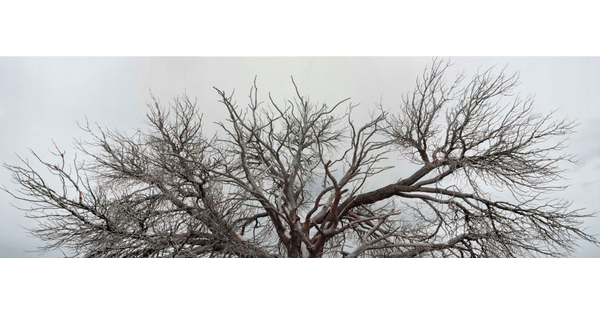
This exhibition of Banerjee’s large-scale, contemporary photographs exposes the effects of climate change through the portrayal of the incredible variety of endangered flora and fauna around his home near Santa Fe, New Mexico.
Big Pictures explores the history of enlarged photography; from mammoth glass-plate negatives to photographic enlargers, this medium reveals a decades-long movement to make dramatic enlargements that sharply influence viewer interaction and interpretation.
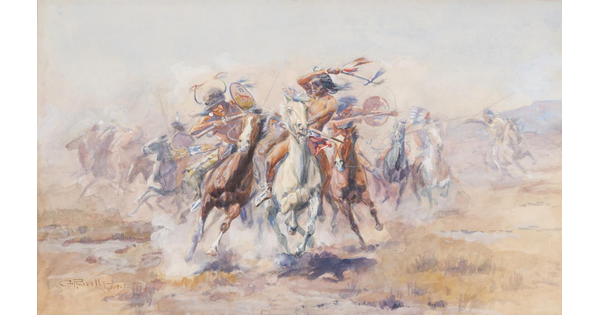
This exhibition brings together some of the finest watercolors by Charles M. Russell along with materials from his studio in order to explore how he created unforgettably romantic images of the mythic American frontier.
Through 75 key works, Color! tells the fascinating tale of photographers' halting acceptance of color, revealing the surprisingly extensive and diverse ways they incorporated color into their work as they sought to shape a language of creativity.
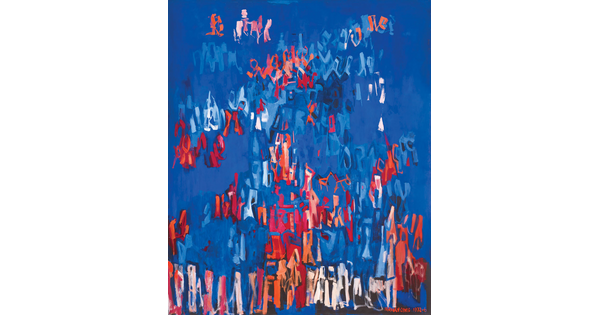
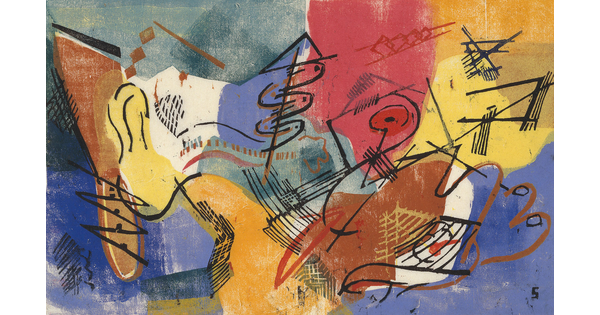
Procession is the first comprehensive museum exhibition on Norman Lewis, a pivotal figure in the Harlem art community. Lewis’ masterful ability to integrate social issues with abstraction creates an exhibition that is as intellectually stimulating as it is beautiful.
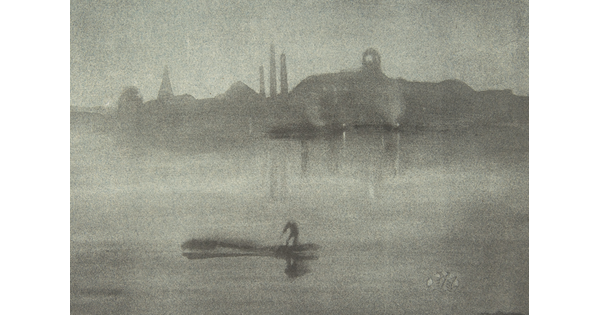
Showcasing the outstanding collection of the Speed Art Museum, this exhibition highlights the prints of James McNeill Whistler, who pushed the medium into new directions through ethereal river scenes and daringly modern depictions of family and friends.
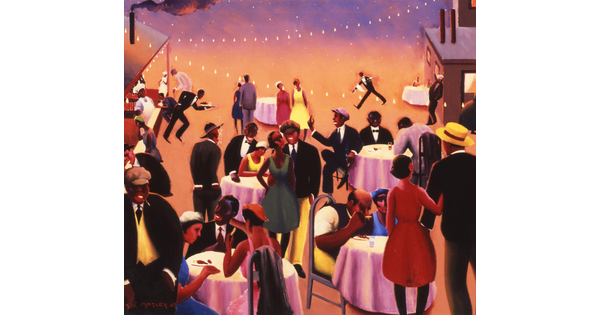
This exhibition introduces Archibald Motley’s colorful canvases to a wider audience, revealing the rich sociological underpinnings of his work. His voyeuristic scenes examine race, gender, and sexuality through their depiction of African American communities.
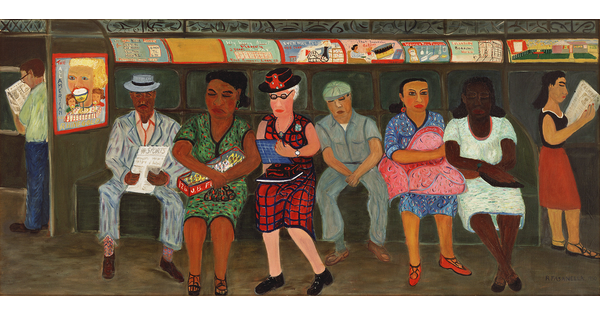
This exhibition highlights the role of folk and self-taught artists as figures who are central to the shared history of the United States and as active participants in the shaping of American visual culture through a variety of mediums.
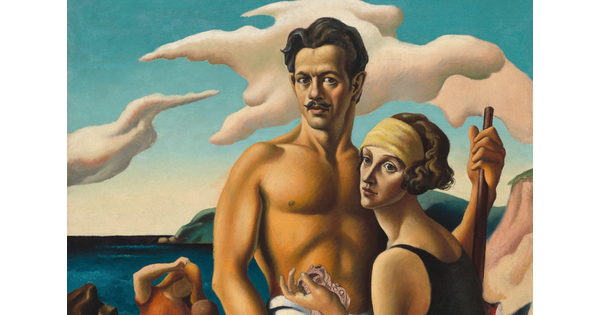
American Epics explores the previously overlooked relationship between Thomas Hart Benton’s artwork and movie making. The first major exhibition to feature his life and works in 25 years, it highlights Benton’s unique style and way of storytelling.
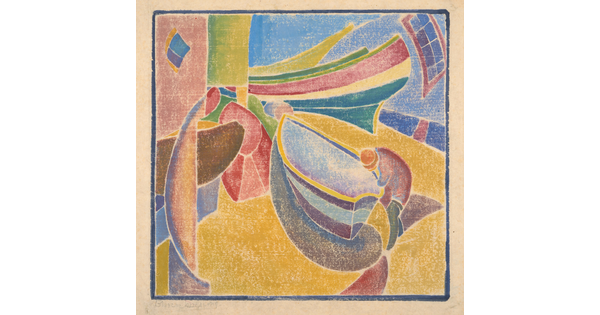
This exhibition showcases the evolution of the woodcut, proving that while the methodology of woodblock printing is not much changed over the last century, the pliant medium is capable of bold new forms of artistic expression.
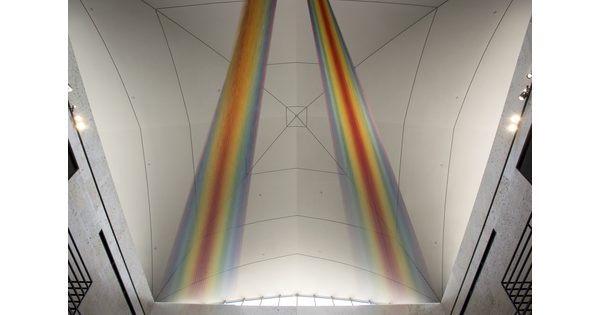
Commissioned for the Carter, this large-scale, site-specific installation looks like frozen, Technicolor vapor. Created out of more than 80 miles of multicolored thread, Plexus no. 34 draws attention to the majestic architecture and natural light of the Museum’s Atrium.