The Carter Blog
Carter ARTicles
A glimpse at an Exoduster community through the Mary Everhard Collection
Sep 16, 2026
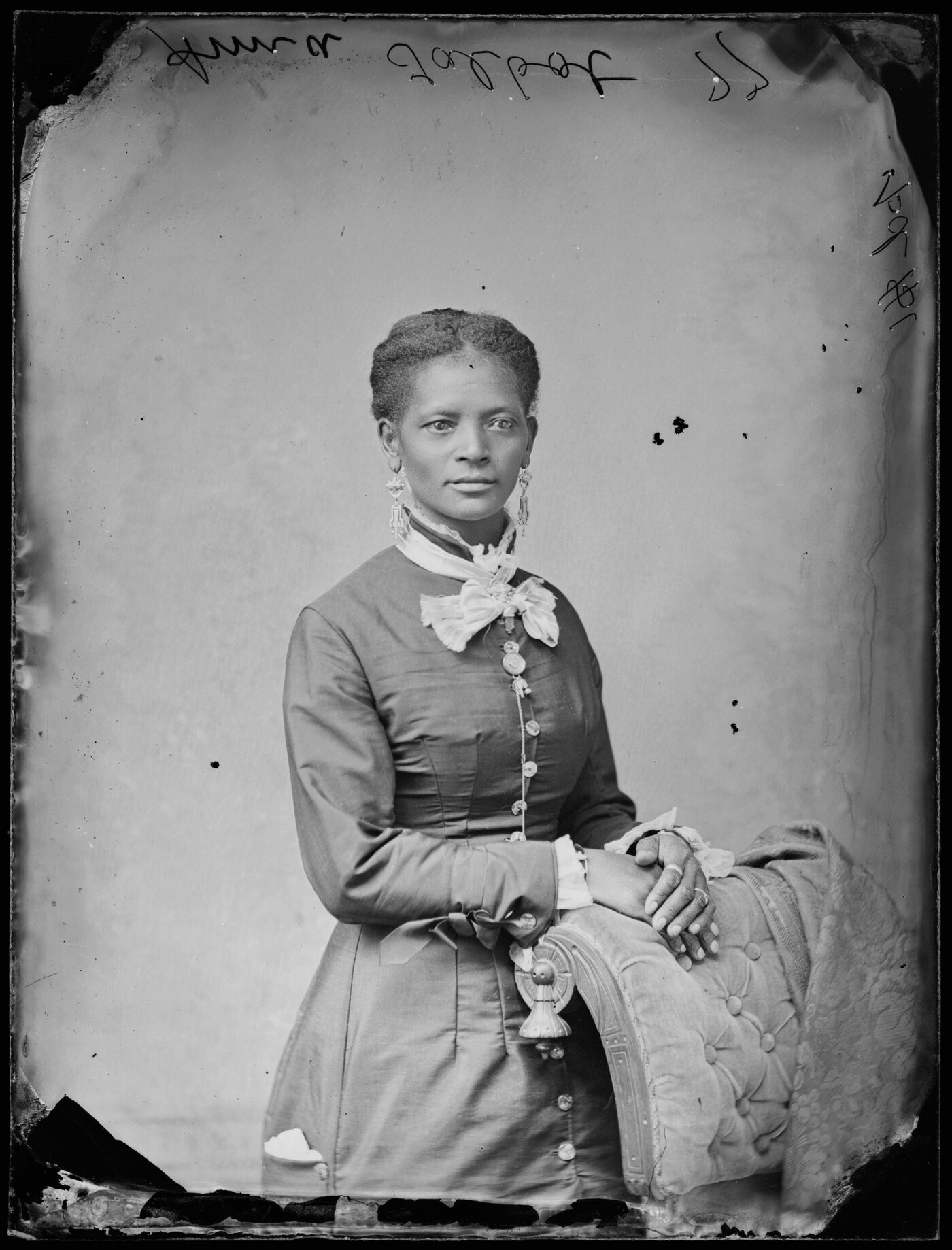
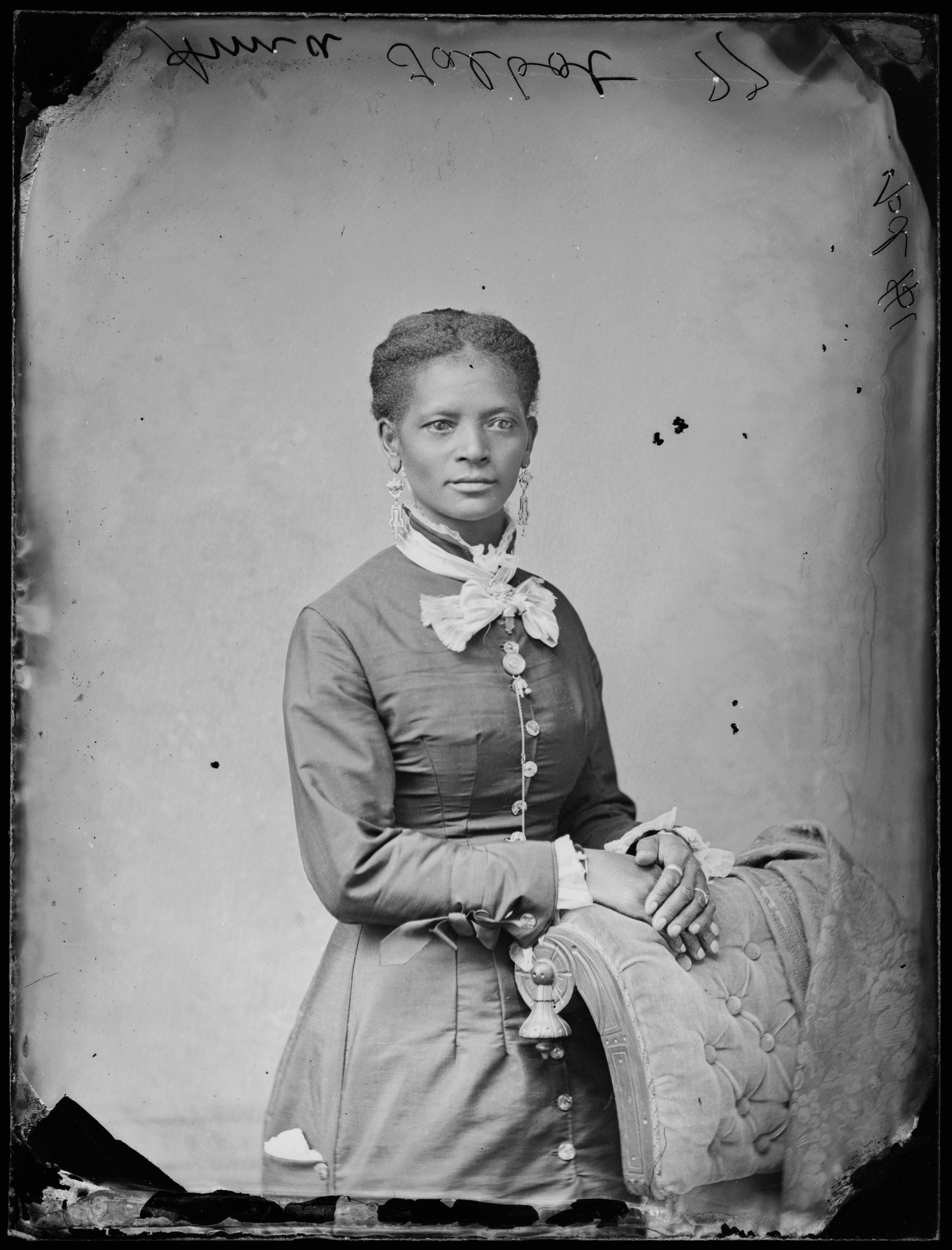
With photographic holdings that exceed 40,000, it is understandable that there are many works in the Carter’s collection that the public is not familiar with. Among these holdings are many remarkable photographs, and I recently learned of a true hidden gem in need of time in the spotlight: the Mary Everhard Collection. Everhard purchased the studio of photographers Ebenezer Elijah Henry and Harrison Putney in 1922 and acquired thousands of negatives documenting life in Leavenworth, Kansas, specifically the Black community that formed there in the 1870s.
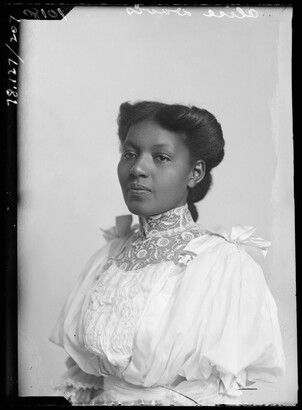
Alice Davis and Henry Green


Decades before the Great Migration (1910-1970), more than 40,000 Black Americans fled the South. Unlike their later peers who sought refuge in the industrial cities of the North, these migrants formed communities across the state of Kansas as well as surrounding states and later became known as the Exodusters. The migration had its early roots in 1875 with the formation of Singleton Colony in Kansas by Benjamin “Pap” Singleton and 300 Black migrants from Tennessee. Singleton saw himself as a Moses-like figure leading an exodus of his people to a promised land of freedom and peace. By the end of 1879, more than 27,000 Black Americans had made Kansas their new home.
Emery Group and Mr. & Mrs. Jas. White


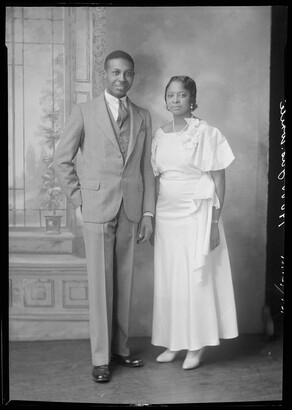
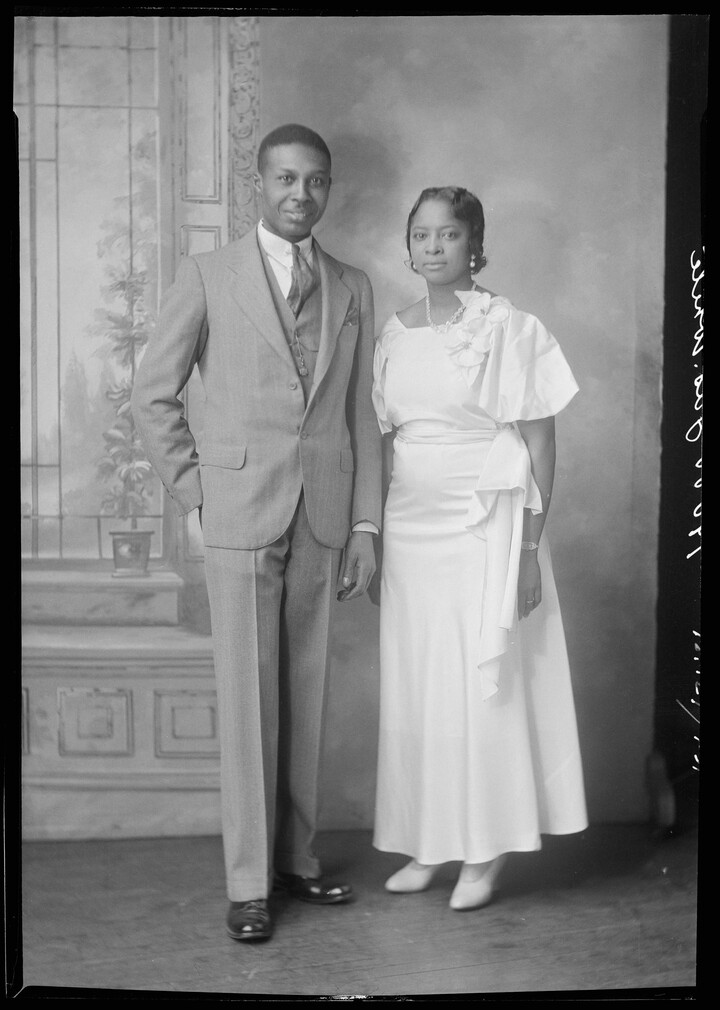
As a Black Kansan, I am often surprised by how small a footnote this migration is given in U.S. history classes and texts. The mass exodus of Black Americans from the South to Kansas was a direct response to the rapidly eroding rights of African Americans following the end of Reconstruction and the onset of the Jim Crow era.
Why Kansas? This was in large part due to the passage of the Homestead Act in 1862 allowing migrants to claim land for use as farms. Leading up to this act, though, Kansas played a prominent role during the Free Soil movement (1848-54) and Free-Staters-era during the 1850s, when men like John Brown (a hero in Kansas) were agitating for abolition. Kansas was attractive to Black migrants because of this environment and the promise of land and freedom.

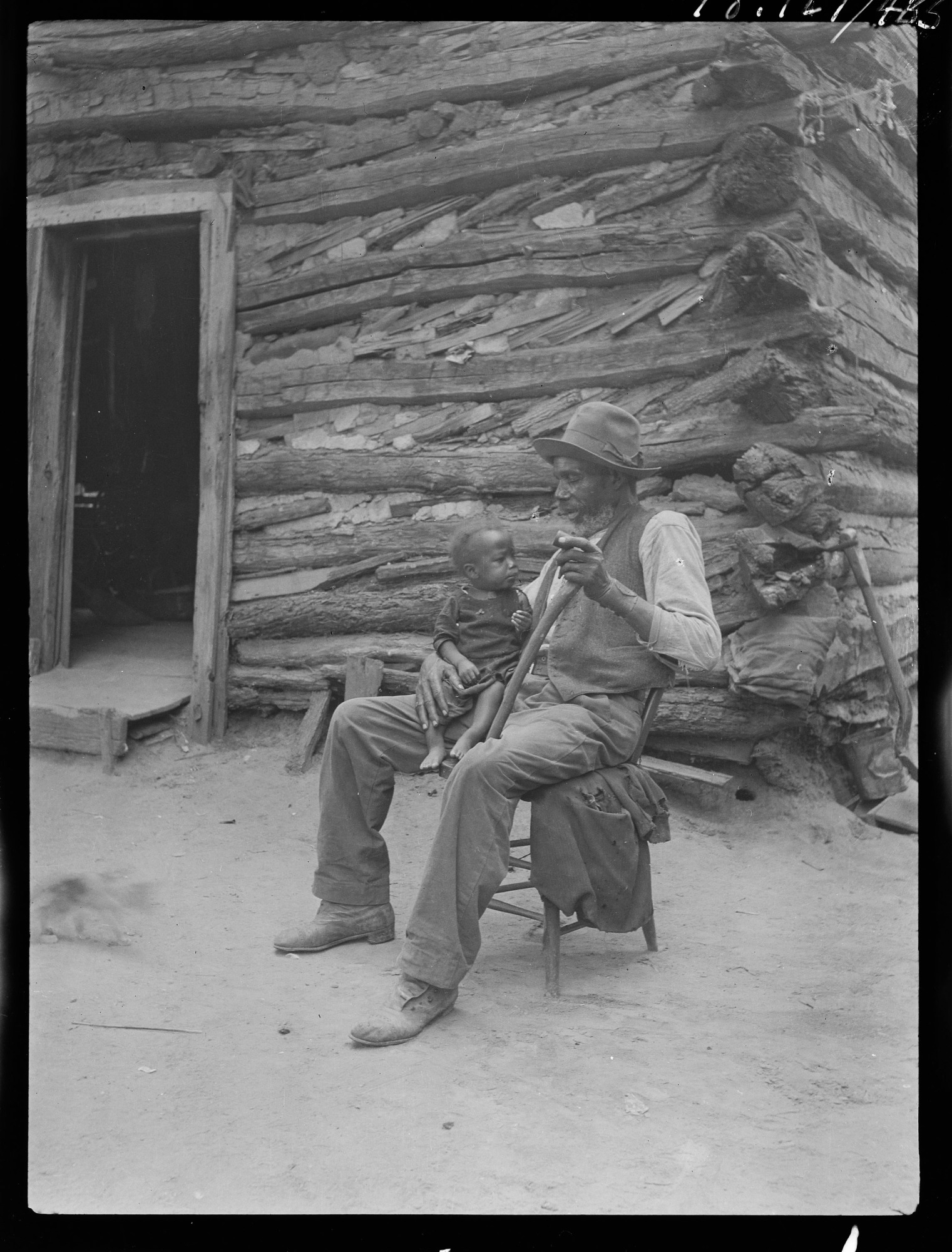
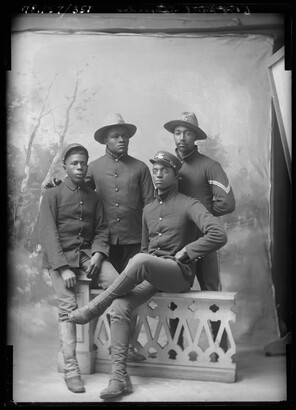
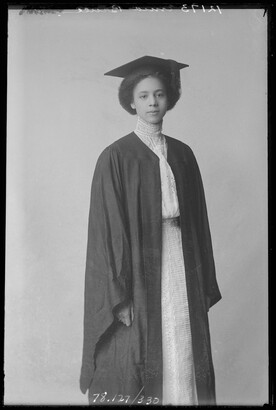
What I’m most drawn to about the Mary Everhard Collection is that it provides a glimpse into the lives of those who made the journey, as well as the generations that followed. In this collection, there are images of Black soldiers, scholars, families, and even a youth baseball team. While conditions were not always easy, these portraits speak to the accomplishments and dreams of the Black community in Leavenworth.
These works are also unique because they have not yet been displayed. They currently exist as negatives in our collection as well as digitized images, reproduced as “positives” for easier viewing on the Museum’s website. Truly, the Mary Everhard collection highlights the many treasures the Carter has beyond what visitors see on the walls.