Charles M. Russell (1864–1926)
California Art Bronze Foundry
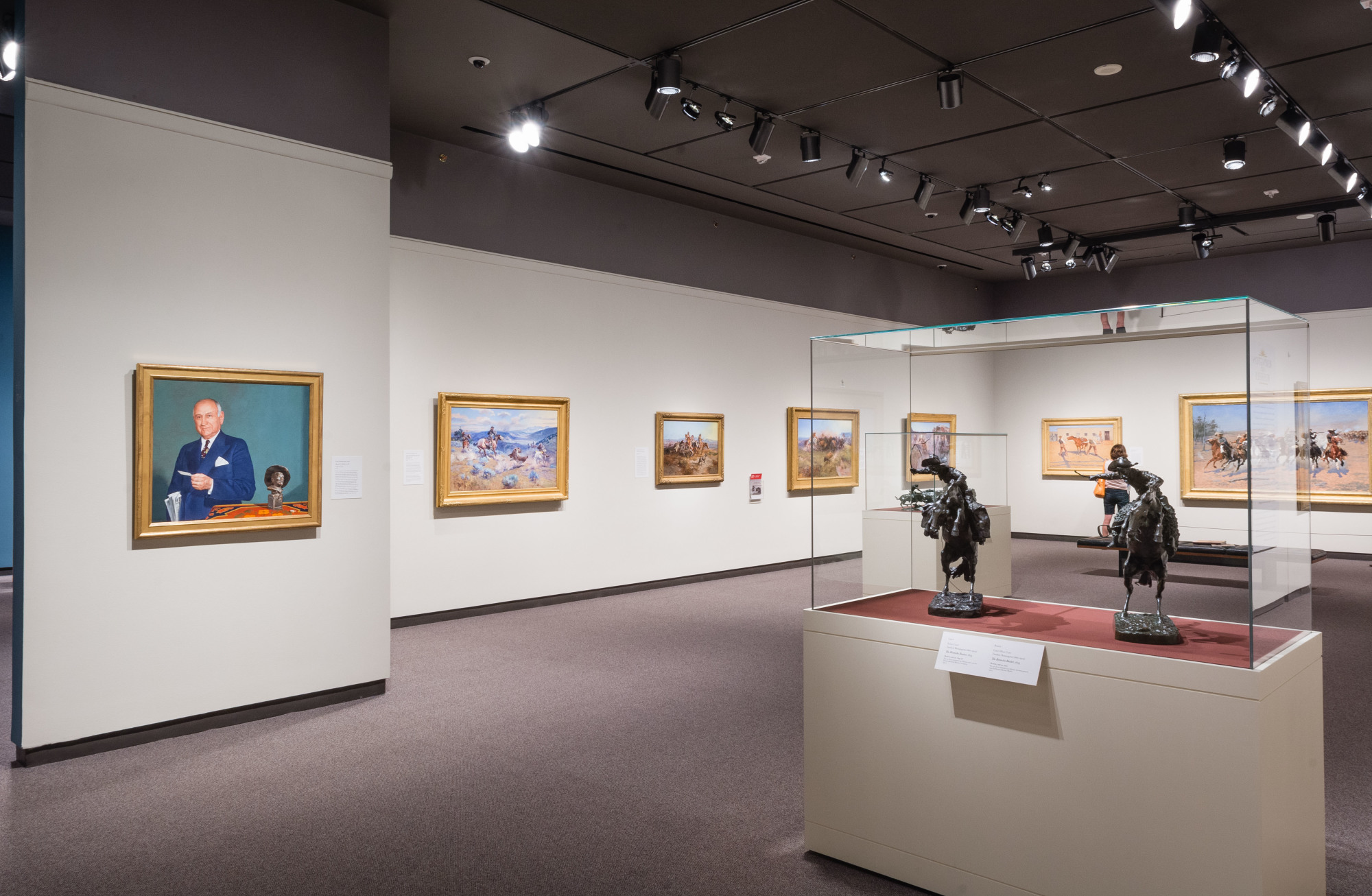
Where the Best of Riders Quit, 1921–1922
Bronze
Amon Carter Museum, Fort Worth, Texas
1961.29
California Art Bronze Foundry
Where the Best of Riders Quit, 1921–1922
Bronze
Amon Carter Museum, Fort Worth, Texas
1961.29
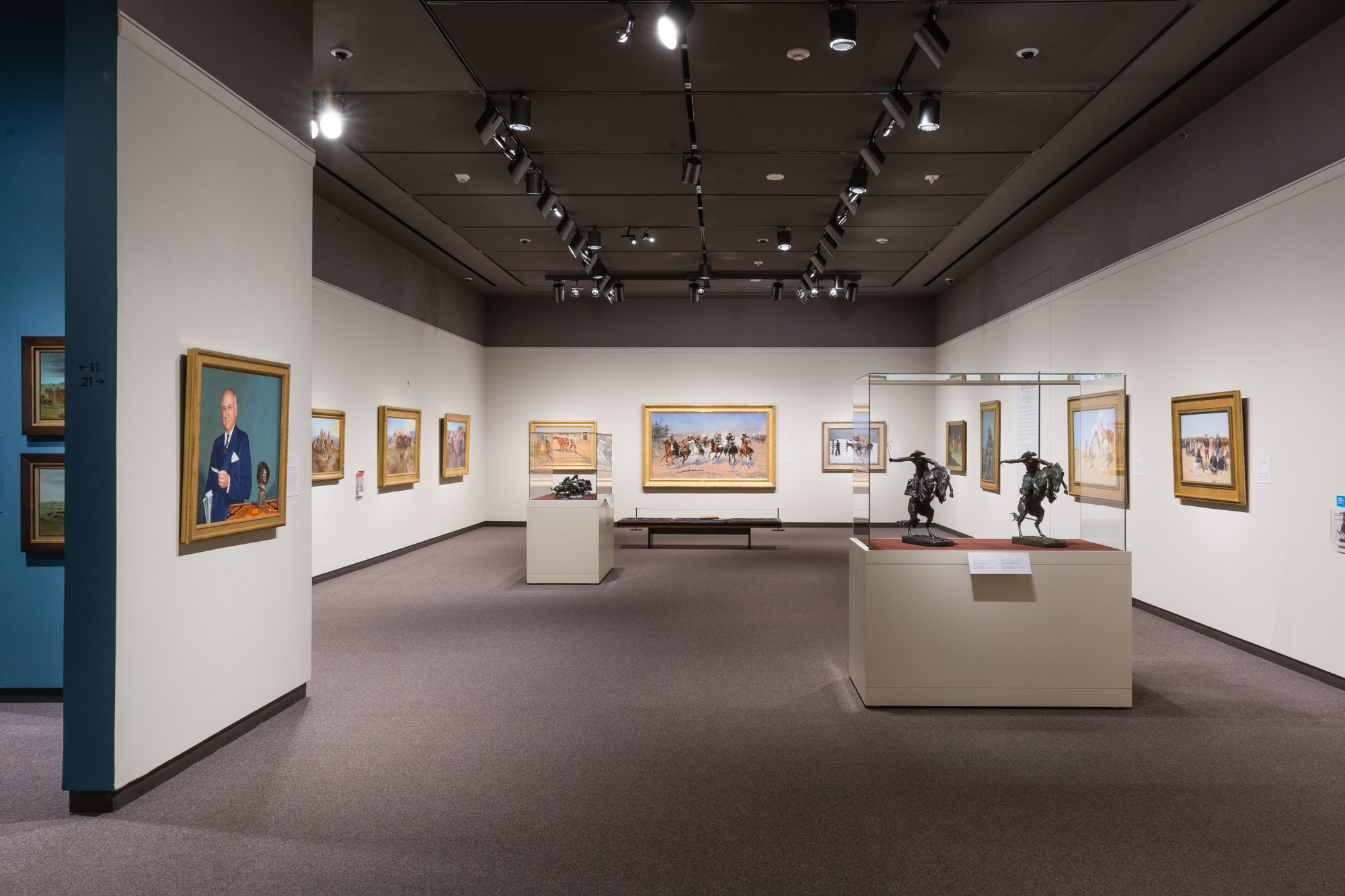
The historian Ramon Adams once distinguished different styles among bucking horses. When a horse reared back on his hind legs, lost its balance, and fell backward, it was termed a “fall-back” horse. But if the horse was perceived to have reared back intentionally with the desire to injure or kill its rider, it was called a “throwback” horse and treated with utmost caution. Russell possessed at least one old photograph of a bucking horse rearing back to lose its rider, and he was probably familiar with that type of bucking horse from his earlier days on the Montana ranges. The subject of a bronc rearing backward goes far back in Russell’s art, to an illustration published in Frank Leslie’s Illustrated Newspaper for May 18, 1889. More than thirty years after that, Russell utilized the same composition to create Where the Best of Riders Quit, one of his most popular sculptures. The artist’s wife, Nancy Russell, later wrote a description of the subject, doubtless repeating what her husband had told her. “The old-time cowpuncher knew his horse and it was often a battle of wits when he was `breaking’ him to ride. This horse is making a fight and is figuring on landing on his rider. This rider, being of the best, is thinking too. As he steps off his fighting horse he will be standing beside him when he lands and, having ahold of the cheek piece of the hackamore, will help the horse bump his head a little harder when he hits the ground. As the horse comes up the cowpuncher will grasp the horn and will be in the saddle when he gets on his feet again. Most horses think twice before they throw themselves a second time.”
Russell must have completed the model for Where the Best of Riders Quit in 1921. A version of the model, not yet cast into bronze, was displayed in December of that year at the Brown Palace Hotel in Denver, Colorado. Roman Bronze Works produced the final castings of the bronze sometime prior to February 1923, when a cast was exhibited at the School of the Arts in Santa Barbara, California. The first cast of Where the Best of Riders Quit was supposedly presented to President Warren G. Harding during his visit to Butte, Montana, in June 1923. The original plaster model of the bronze seems to have suffered some deterioration, for it was reworked following the artist’s death. After 1927 the casting of the model was done under Mrs. Russell’s supervision in Los Angeles, and a number of posthumous casts were produced.