Check out one of three different Totes at the Information Desk to make a visit to the Carter with kids more fun.
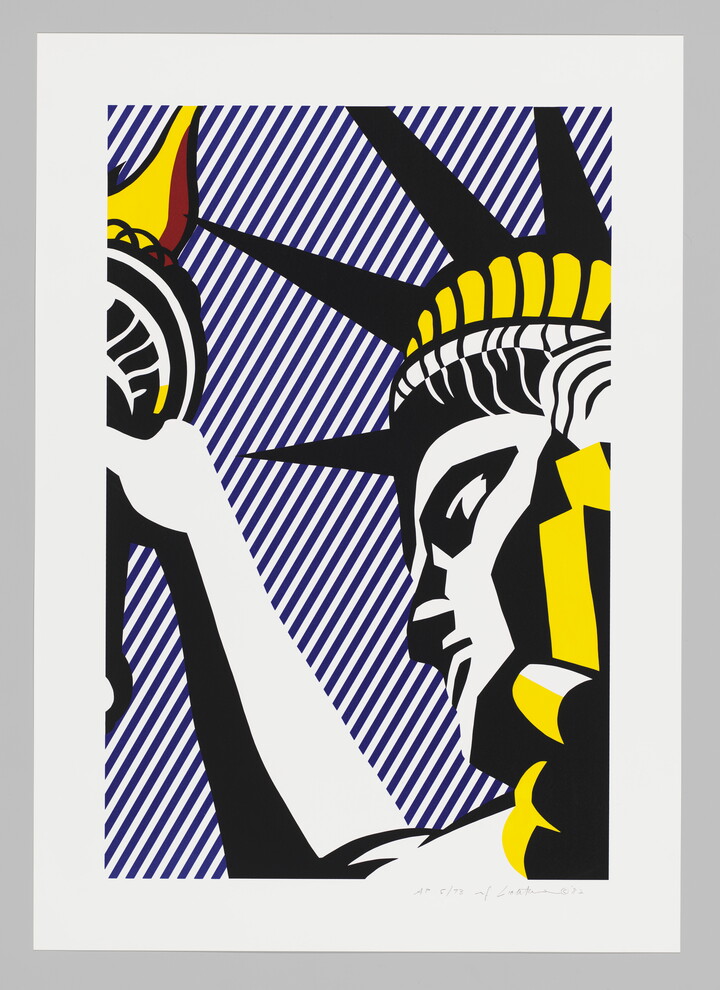
Discover the Statue of Liberty’s continued relevance in American visual culture and the evolution of its image through art from the 1870s to the present.
Browse our online collection from the comfort of your couch. You never know what you might find!
Celebrate two milestone anniversaries as the Carter honors America's 250th anniversary alongside the 40th anniversary of American Girl with a one-of-a-kind Carter experience.
Here Lyeth: Grave Rubbings by Ann Parker and Avon Neal features original grave rubbings by photographer Ann Parker and multimedia artist Avon Neal, and highlights an artistic tradition that is both historically grounded and visually striking.
The Statue of Liberty from Bartholdi to Warhol highlights the Statue of Liberty’s continued relevance in American visual culture and the evolution of its image through art from the 1870s to the present.
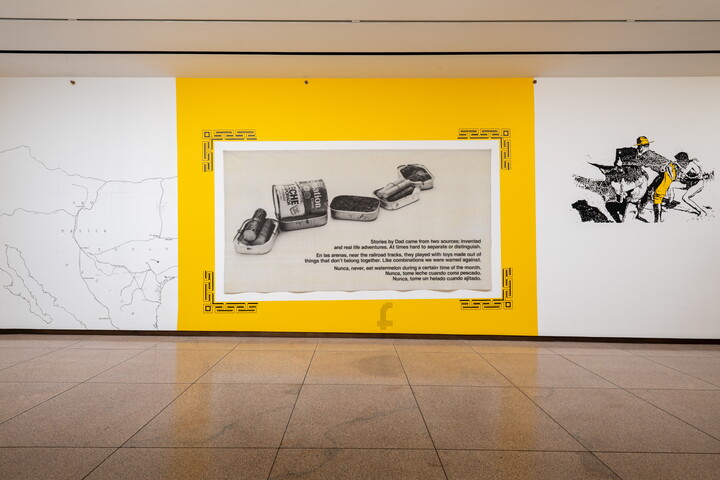
Artist Celia Álvarez Muñoz will transform the Museum’s first floor sloping gallery with a new site-specific commission that explores the railroad and its role in the connection and division of countries, traditions, cultures, and languages.
Georgia O’Keeffe and the Carter brings together the Museum’s holdings of paintings and works on paper by one of America’s most influential modern artists through photographs, letters, and other materials that illuminate her personal and professional ties to the Museum.
The Carter houses one of the great collections of American art, from historical landscapes captured on canvas to city streets seen through the lens of a camera. We’re regularly changing out these works, so each time you visit, you know you’ll encounter something you haven’t seen before.